


Choosing a Halloween character is easier when you start with the look you want: cute, spooky, or scary. Then check which clothes and accessories you already have. A distinctive detail, such as a collar or mask, often matters more than a long shopping list.
Halloween characters include classic figures such as witches, ghosts, vampires, skeletons, and mummies, plus fictional favorites such as Wednesday Addams, Jack Skellington, Sally, and Michael Myers. Choose a character whose main look you can recreate comfortably for your event. The holiday offers many costume options; the Halloween movies are one specific horror series.
You can follow a screen outfit closely or create a simpler version inspired by it. The ideas below explain what makes each look work and what to check before buying extra pieces.
Direct Answer
Halloween characters include classic spooky figures and fictional favorites used for costumes, such as witches, Wednesday Addams, Jack Skellington, and Michael Myers. Choose one whose defining details fit your event and available clothes.
Halloween Characters at a Glance
Use this table to find a starting point. The costume section below adds ways to build each look.
| Character | Story or type | Main visual clue |
| Witch | Classic spooky figure | Pointed hat |
| Wednesday Addams | The Addams Family / Wednesday | Black dress, white collar, braids |
| Morticia Addams | The Addams Family / Wednesday | Fitted black dress |
| Jack Skellington | The Nightmare Before Christmas | Skeleton face and dark suit |
| Sally | The Nightmare Before Christmas | Ragdoll details |
| Sanderson Sisters | Hocus Pocus | Three distinct witch looks |
| Michael Myers | Halloween films | Character mask and workwear |
| Ghostface | Scream films | Ghost Face mask and hooded robe |
| Freddy Krueger | A Nightmare on Elm Street | Red-and-green striped sweater |
| Chucky | Child’s Play films | Striped shirt and overalls |
| Anna | Frozen films | Red hair and a chosen film outfit |
These characters offer different costume moods. Film-inspired looks also vary between versions and scenes.
Classic Halloween Characters and Simple Costume Ideas
Classic spooky figures give you room to make the outfit your own. You do not need to match a named character’s exact clothes.
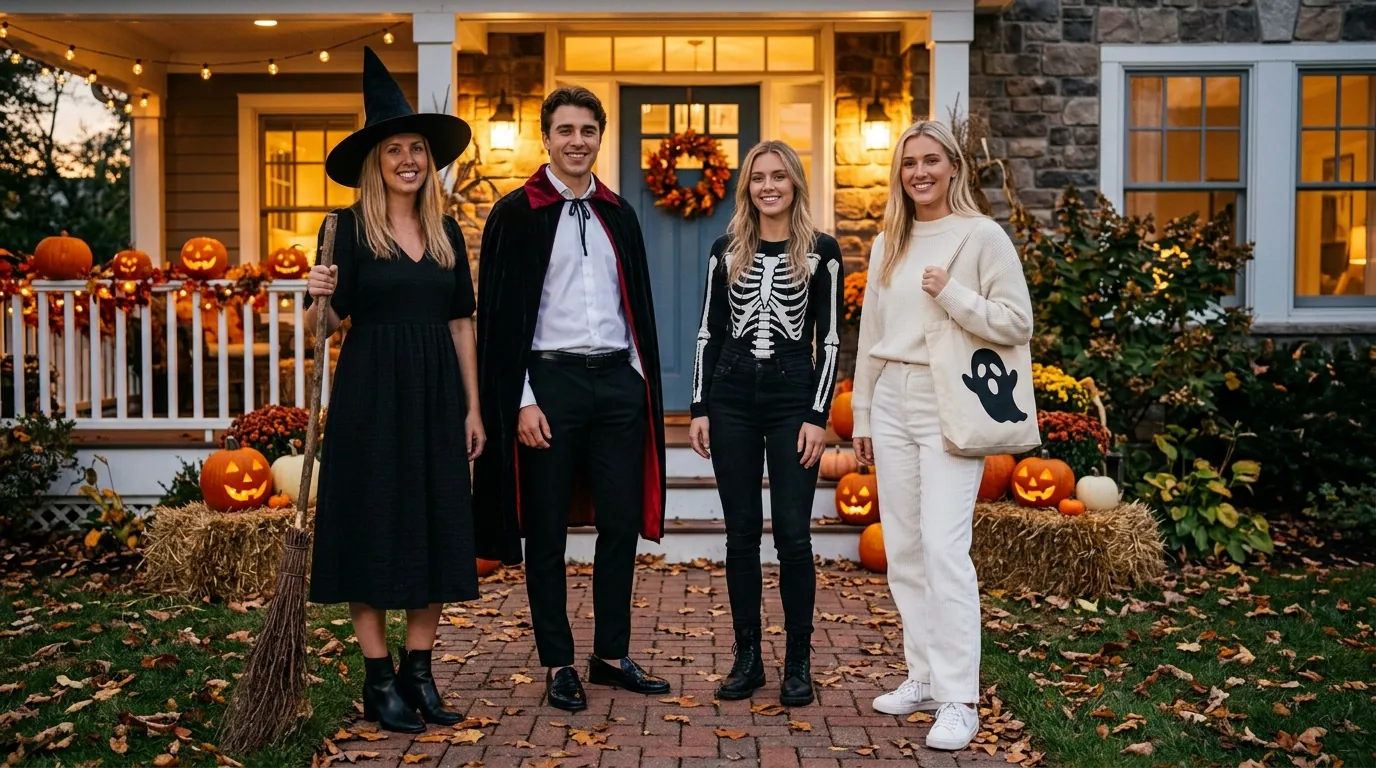
- Witch: Start with a dress, skirt, or trousers you like wearing, then add a pointed hat. Black creates a traditional costume look, but purple or green can make your version more playful. A broom is optional.
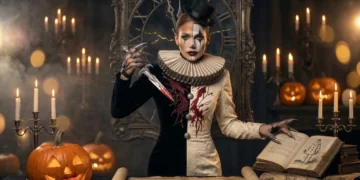
- Vampire: Try dark trousers or a dress with a white shirt, dramatic collar, or cape. A neat outfit suggests a polished vampire; worn-looking layers suggest a rougher version. You can skip fake teeth.
- Ghost: Wear white clothes and add a ghost-face design to a separate costume accessory. This gives you a simple alternative to covering your head with a sheet.
- Skeleton: Pair a skeleton-print shirt with black trousers. A full printed suit offers a more complete look, but a top may be easier to reuse with ordinary clothes.
- Mummy: Use white or cream clothes with fabric strips attached to the garment. Keep loose ends away from your feet, and leave your face and hands clear.
Choose the amount of detail that suits your plans. A simple ghost might fit a casual gathering, while a more detailed vampire outfit could suit a themed party.
Famous Movie and Animated Halloween Characters

Named characters need a few specific clues. Before you shop, choose one film or television version as your reference. That keeps colors, clothing, and accessories consistent.
Wednesday and Morticia Addams
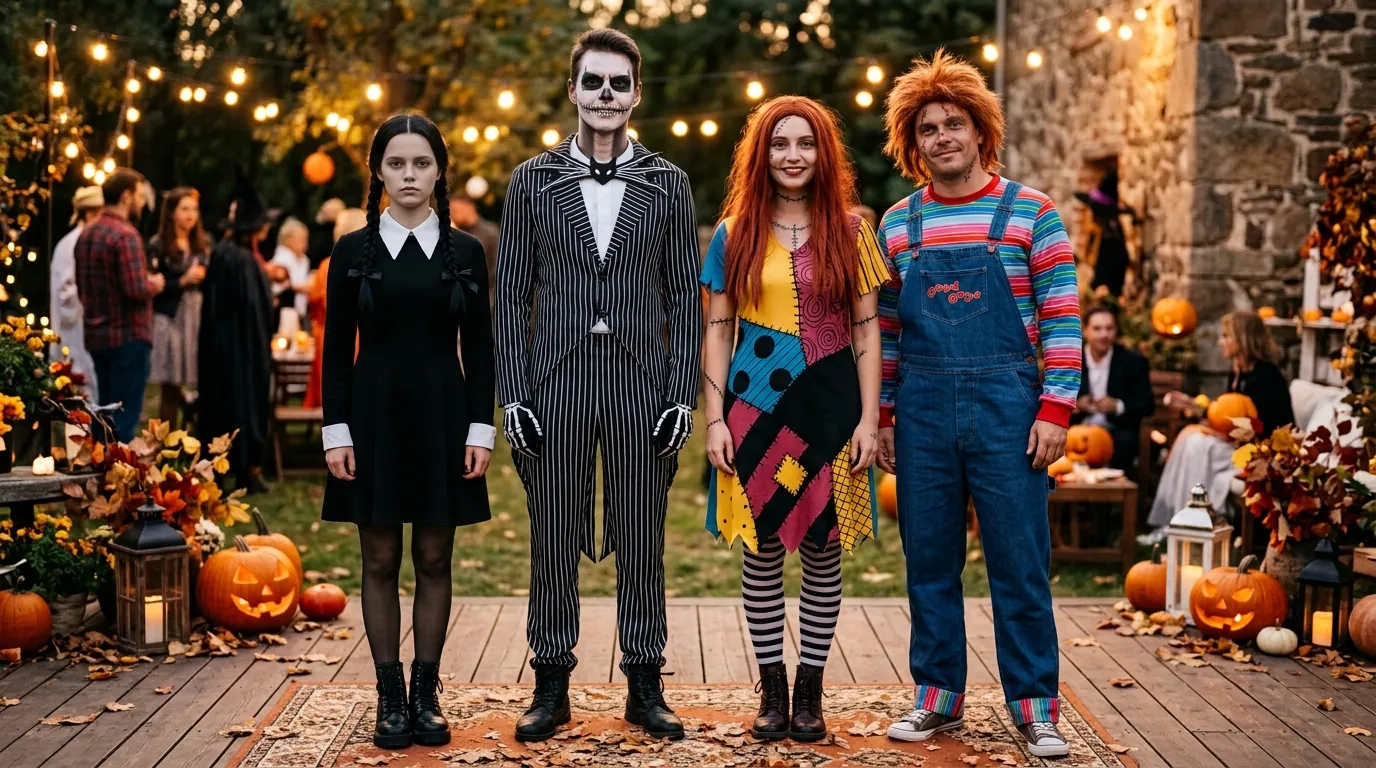
For a classic Wednesday-inspired outfit, combine a black dress with a white collar and two braids. If you have a black top and skirt, try wearing them with a white collared shirt underneath.
Her Nevermore uniform is another option. In Netflix’s costume-design feature, designer Colleen Atwood explains the gray-and-black direction used for Wednesday’s school uniform. Choose either that uniform or the classic dress as your main reference.
Morticia offers a more dressy direction. Netflix describes her classic fitted black dress. For an inspired costume, try a long black dress with sleeves or a dark layer over it. Keep the hem clear of the ground, even if your reference outfit has a dramatic train.
Jack Skellington and Sally
Disney identifies Jack as Halloween Town’s Pumpkin King and Sally as a rag doll in The Nightmare Before Christmas character guide. They work as separate choices or a coordinated pair.
For a Jack-inspired outfit, use a black suit or dark jacket and trousers. Add a white shirt and a bat-shaped bow tie. Black-and-white stripes bring the outfit closer to his screen look. A skeleton-face design can complete the idea, but choose makeup suitable for its intended use.
For Sally, build an inspired look around a patchwork-style dress or a mix of colored fabric panels. Drawn-on stitch details can suggest a rag doll. If you want to keep a favorite dress intact, use a separate costume layer instead of painting it.
The Sanderson Sisters
Winifred, Mary, and Sarah Sanderson are the three sisters from Hocus Pocus. They offer a three-person costume theme with a different witch for each person.
Choose the same film reference, then assign one sister to each person. Compare each character’s dress, outer layer, and hairstyle before shopping. Matching witch hats alone would create a generic witch group rather than identify the sisters.
If exact costumes are beyond your budget, coordinate inspired witch outfits and preserve a different defining detail for each sister.
Michael Myers, Ghostface, Freddy Krueger, and Chucky
These horror characters suit events where scary costumes are welcome. A costume sold in a child’s size does not establish that its source film is suitable for that child.
Michael Myers: Build an inspired look around workwear and the character’s mask. Check the version before buying: licensed listings include both coveralls, a one-piece work outfit, and work-shirt kits. One Halloween II coveralls listing sells the mask separately.
Ghostface: The mask carries much of the identity. Fun World’s adult costume includes a hooded robe, belt, and Ghost Face mask; its pictured knife accessory is separate. You can leave the weapon prop out of your costume.
Freddy Krueger: Start with a red-and-green striped sweater and dark trousers. Add a brown brimmed hat, such as a fedora, for a closer character look. Keep any glove accessory suitable for the event, or skip it. Licensed costume listings support the sweater colors and fedora combination.
Chucky: Combine a colorful striped shirt with blue overalls. A red or orange wig adds another identifying detail. Spirit’s licensed overalls costume includes the shirt, overalls, and a red wig, showing why package contents matter when comparing options.
Anna from Frozen
Anna is a non-scary animated alternative, rather than a character created for Halloween. Disney describes her as red-haired, making her a useful choice if that feature is part of your costume plan.
Choose one Anna outfit from the films before selecting a dress or cape. Mixing pieces from different scenes can make a specific screen look harder to follow. A simpler inspired version is fine if you prefer a comfortable outfit to an exact match.
Choose a Character That Fits Your Plans
Start with the event. A horror-themed party may welcome Michael Myers or Ghostface. A school celebration or family gathering may call for a gentler look, depending on its rules and the people attending.
Next, consider what you will do. If you will walk outside, plan layers and comfortable shoes. If you will dance, test arm movement and skirt length. A costume chosen mainly for a photograph may need changes for a full evening.
For a pair, consider Jack and Sally. For three friends, consider the Sanderson Sisters. Agree on the reference version and let each person choose a comfortable fit.
You do not have to choose a character based on your gender. Focus on the look you enjoy and the clothes you want to wear. Character names describe the inspiration; they do not set rules for who can use it.
Build Your Costume from Clothes You Already Own
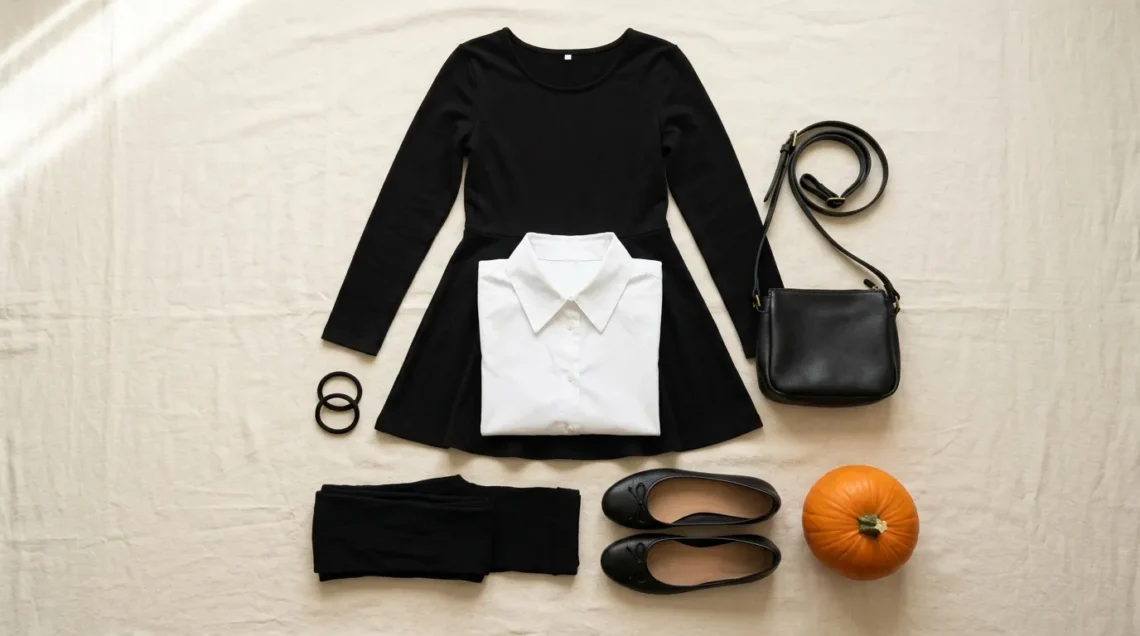
Try this order before ordering a ready-made outfit:
- Choose your reference. Save one clear image from an official source for personal planning. Use it to check details rather than assume you can republish it.
- Find the base clothes. Look for a dress, shirt, suit, trousers, or overalls that already resemble the outfit.
- Add the defining detail. That might be Wednesday’s collar, a witch’s hat, or Ghostface’s mask.
- Try the complete outfit. Include shoes, layers, hairstyle, and any bag you will carry.
- Check what is missing. Buy only pieces that improve the character’s identity or make the outfit more practical.
For example, suppose you have a black dress and a white collared shirt. You could test a Wednesday-inspired outfit before buying another dress. If the collar sits awkwardly, try a different shirt or a separate costume collar.
Ask someone familiar with the character what they recognize. If the answer is only “someone in black,” review the defining detail before adding more accessories.
Check the Full Cost Before Buying a Costume
A product photo may show pieces that are sold separately. Read the included-items list and the description before comparing prices.
On October 8, 2026, the accessible Spirit Wednesday plus-size costume listing showed US$49.99 with 1X selected. It included a dress, tights, and doll; shoes and a wig were separate.
The Freddy Krueger sweater listing showed US$34.99 with adult XS selected. Pants, shoes, and the claw glove were excluded. These are individual listing examples, not average costume prices or complete outfit totals. Prices and availability can change; check shipping, tax, and any extra pieces.
Compare your measurements with the exact product’s size chart. Check the return deadline before removing tags or altering the costume. Follow its care label, since similar-looking costumes can use different fabrics and cleaning instructions.
Check Comfort, Movement, and Visibility
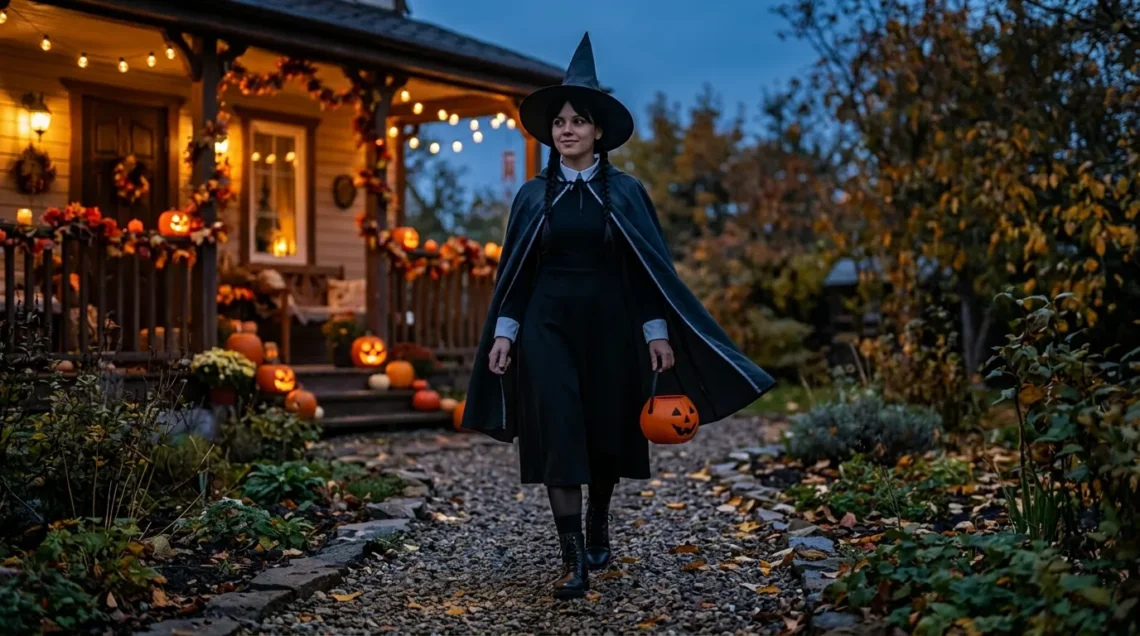
Put on the whole costume before the event. Walk, sit, raise your arms, and turn your head. Adjust anything that pulls, slips, or catches under your shoes.
The FDA’s Halloween safety guidance recommends avoiding dragging costumes and masks that block vision. For outdoor plans, add reflective details. Look for flame-resistant labels and keep costumes away from open flames.
Follow makeup labels, especially around the eyes. The FDA recommends testing planned makeup on a small area of the wearer’s arm 24–48 hours ahead and watching for irritation. That test does not replace the product’s instructions.
Decorative contact lenses need a prescription and professional fitting, even if they do not correct vision. They are optional; you can complete a costume without changing your eye color.
Halloween Character FAQs
Who is the most famous Halloween character?
There is no single answer for every audience. Familiar choices include witches, vampires, Wednesday Addams, Jack Skellington, and Michael Myers. Which one feels most recognizable depends on the audience’s interests and the stories they know.
What are the main characters of the Halloween movie?
In the original 1978 Halloween, central characters include Michael Myers, Laurie Strode, and Dr. Sam Loomis. The wider film series has different storylines and additional characters, so specify the film when looking for a particular costume reference.
Are Halloweentown and Halloween Town the same place?
They belong to different stories. Halloweentown is the Disney film in which Marnie discovers she is a witch. Halloween Town is Jack Skellington’s home in The Nightmare Before Christmas. Their similar names can make searches confusing.
Can I make a recognizable character costume without a wig?
Often, yes. Keep other defining details clear, such as a specific collar, mask, or outfit. A wig may help when hair is a major clue, but try your natural hair first. Decide whether your goal is a close replica or an inspired look.
Pick Your Character and Start with One Key Detail
Choose one character, one reference version, and one defining detail. Build around clothes you can comfortably wear, then check the complete outfit. That gives you a clear starting point and helps you decide which extras are worth buying.
Disclaimer
Budgets, fit, preferences, occasions, and needs vary. Check current prices, costume contents, event rules, and product instructions before buying or wearing an outfit. Decorative contact lenses require a prescription and professional fitting.